

.svg)
.svg)


%20-%202026-06-15T133620.968.png)


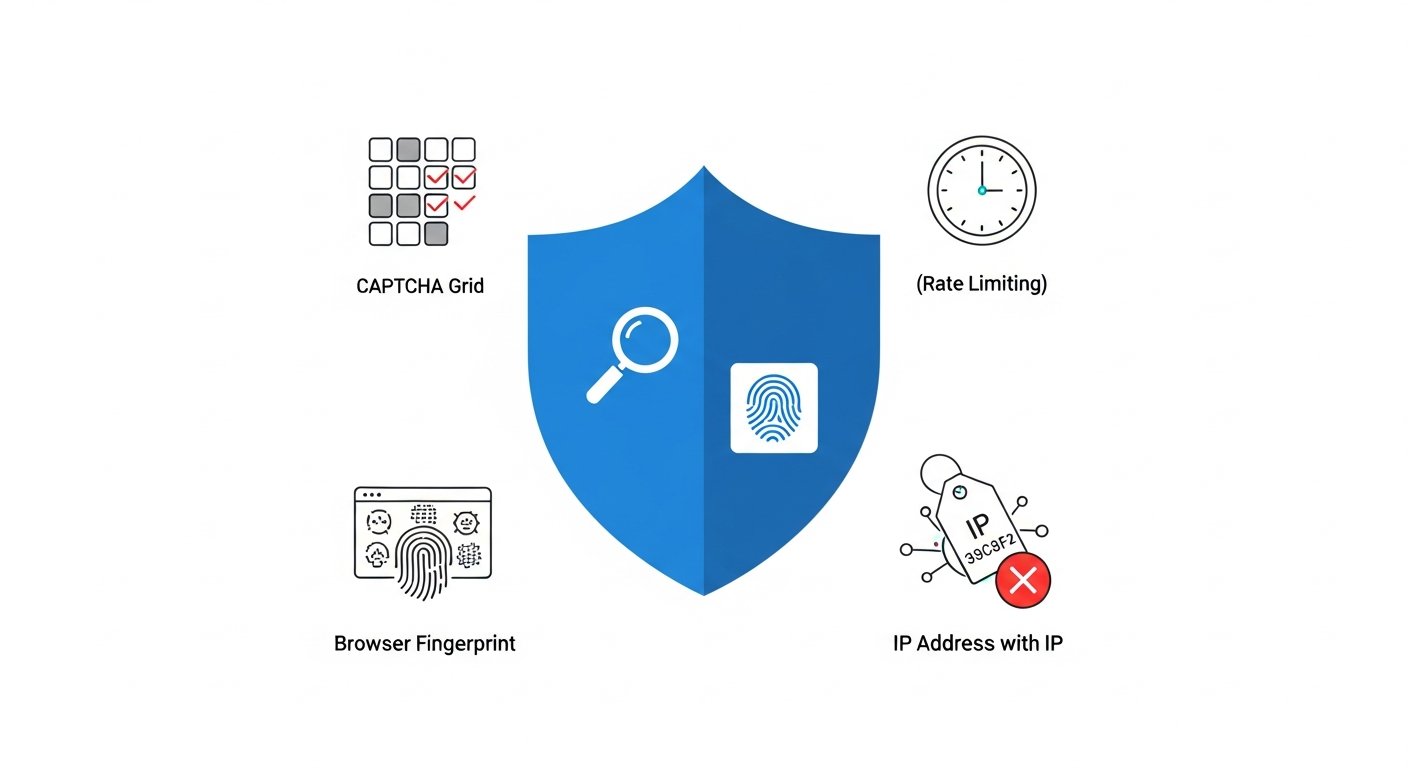
Getting reliable, real-time ecommerce data isn’t as simple as pointing a scraper at your competitors’ sites. Major retailers deploy advanced anti-bot systems, from CAPTCHA walls to stealthy rate-limiting and dynamic blacklists. For anyone monitoring prices, stock, or promotions at scale, proxy blockades aren’t just a hurdle—they’re a daily reality.
According to Tech For Good (2025), frequent checks from the same IP get businesses banned fast. Meanwhile, recent research by Proxyrack highlights that over 70% of blocked requests during ecommerce monitoring come from traditional datacenter ranges. If you’re managing ecommerce analytics, product feeds, or market research, circumventing these blocks is the difference between competitive advantage and wasted engineering time.
Let’s break down why most proxies don’t cut it, which types do work against retail anti-bot platforms, and how solutions like SimplyNode.io are changing the game for ecommerce teams in 2024.
Why Most Proxies Fail Against Ecommerce Sites
Major anti-bot providers like DataDome, Akamai, and PerimeterX update their block lists constantly. They aggressively flag IPs associated with:
- Datacenter hosts (AWS, Azure, Google Cloud)
- Outdated or shared IP pools
- Traffic patterns that look automated, not human
Datacenter IPs are catalogued and blacklisted by retailers within hours. Even reputable proxy companies offering generic datacenter IPs struggle against modern defenses. You might get by on small or obscure sites, but Amazon, Walmart, and dozens of others clamp down fast. The cost? Lost access, inaccurate data, and weeks spent rewriting scraping logic.
Case in point: An apparel price monitoring firm tried rotating through 10,000 datacenter IPs per week. Their block rate stayed above 85%, with most requests failing within the first hour of deployment.
Types of Proxies That Actually Work for Ecommerce Monitoring
Not all proxy types are equal, especially when you’re trying to mimic genuine shoppers or run thousands of requests daily. Here’s what actually gets through:
Rotating Residential Proxies
What they are: Residential proxies use real consumer devices as endpoints, routing requests through legitimate ISP connections. This makes your traffic appear as everyday home users.
Why they work: Retailers trust ISPs’ residential allocations, so traffic routed this way blends in. These proxies yield 60%+ higher success rates on protected platforms.
Drawback: Residential proxies can be pricier and may sometimes have lower throughput compared to datacenter ranges.
Mobile Proxies
What they are: Proxy traffic goes through devices using 4G/5G connections, putting your requests in the same bucket as millions of genuine mobile users.
Why they work: As CNET notes, mobile proxies face the lowest block rates of any proxy type. IPs cycle frequently between huge pools, so even the strictest anti-bot systems find it tough to distinguish bots from human shoppers on actual mobile phones.
Drawback: Pricing reflects quality; mobile proxies are generally the most expensive. However, they’re unmatched for the hardest-to-crack sites.
ISP (Static Residential) Proxies
What they are: These sit between datacenter and residential proxies. ISP proxies offer static, non-rotating IPs registered to residential ISPs, but with datacenter-like speed.
Use case: Great for scenarios needing persistent sessions, such as multi-step checkout testing or batch price monitoring over several hours. Guardian Digital reports that ISP proxies keep bots under the radar while delivering higher requests per second.
Key Strategies to Minimize Blocking
Leveraging the right proxy is only half the battle. Tuning your monitoring strategy makes the crucial difference:
1. Rotate IPs Aggressively
Don’t let your scraper pound a single IP. Rotate your proxy endpoints with each request or every few requests, depending on your provider’s capabilities.
2. Simulate Real-User Sessions
- Sticky Sessions: For use cases like cart tracking or checkout testing, keep the same IP for up to 30 minutes. According to Tech For Good, this reduces sudden drops in session data.
- Smart Headers: Rotate your scraper’s user agents, languages, and device types. Match browser fingerprints and emulate mouse movements when possible. Retailers rely on mismatched HTTP headers to spot bots .
3. Adapt to Rate Limits and CAPTCHAs
Even with great proxies, sending 10,000 requests in a minute will trigger alarms. Monitor your response codes and dynamically adjust your request rate, backing off on error spikes.
Example: A consumer electronics brand uses SimplyNode.io proxies paired with dynamic rate limiting. Result: block rates dropped from 44% to under 7% on major US retailers.
Choosing the Right Proxy Provider: What to Look For
Beyond the proxy type, consider several features that will influence your outcomes:
- IP Pool Size and Diversity: Large, diverse networks (city, ASN, ISP) reduce the chances of repeated IP detection.
- Session Control: The ability to choose how long you hold an IP, especially for sticky sessions.
- Instant Rotation: Some platforms offer automatic rotation upon block detection or at each request.
- Speed and Reliability: Slow proxies waste valuable crawl hours. Responsive support is essential for large-scale ops.
How SimplyNode.io Sets Itself Apart
SimplyNode.io offers a modern proxy infrastructure purpose-built for ecommerce monitoring. With access to millions of residential and mobile IPs worldwide, clients see lower block rates even on highly protected platforms. The platform’s flexible session management allows users to specify precise rotation schedules or maintain sticky sessions for advanced cart and checkout tracking. Robust support and transparent pricing round out the offering, making scale and reliability achievable together.
Competitors might advertise similar pool sizes, but few combine speed, granularity (down to city-level targeting), and customization at the same level. For monitoring teams tired of constant roadblocks, SimplyNode.io is built to keep data flowing.
Real-World Ecommerce Monitoring Scenarios
Let’s bring this into clearer focus.
Scenario 1: Global Retail Price Monitoring
A mid-sized price comparison service tracks daily pricing across Amazon, Walmart, and European grocery chains. Previous datacenter proxies suffered frequent bans. By switching to rotating residential proxies via SimplyNode.io, success rates exceeded 94% (measured over 500,000 requests/month). Location-based pricing variations became visible, and the team could automate reporting without manual data patching.
Scenario 2: Flash Sale and Inventory Tracking
A sneaker reselling shop needed instant alerts for restocks and price drops on limited edition SKUs, often during high-traffic flash sales. Mobile proxies gave them a seat at the table, with real-time access at key moments. Even under heavy anti-bot scrutiny, their carts survived through sticky session support, letting automations buy like real users.
Filling the Gaps: Proxies and Ethical Compliance
Most technical guides talk about evading blocks but overlook legal and ethical realities. Retailers are improving anti-bot tech for good reasons, including mitigating fraud and ensuring stable user experiences.
- Terms of Service: Always review the terms for target platforms. Some explicitly prohibit scraping, while others permit limited use through official APIs.
- Data Privacy: Don’t harvest PII or personal data. Mitigate impact by throttling requests and respecting robots.txt files where possible.
- Reputation: Blocked IPs can get entire proxy subnets listed, impacting not just one user but many.
SimplyNode.io assists clients by monitoring for abuse, offering best practices, and providing optional API access where legal paths exist. Staying within compliance guidelines reduces business risk in the long run—a consideration few proxy providers discuss openly.
Conclusion: Get Past Blocks and Back to Business
Ecommerce monitoring, from price comparison to inventory analytics, depends on staying a step ahead of retailer anti-bot systems. Traditional proxy approaches fall short, resulting in high block rates and unreliable data. The shift toward rotating residential, mobile, and ISP proxies—coupled with session-smart tactics—offers proven gains in accuracy and scale.
SimplyNode.io has designed its proxy infrastructure for these challenges, blending broad IP pools, dynamic control, and compliance support. For ecommerce teams ready to collect data with fewer headaches and more accuracy, getting started is as simple as signing up and setting your endpoints.
Test run a campaign today with SimplyNode.io and see how consistently accurate data unblocks your ecommerce monitoring goals.
%20-%202026-06-17T113531.915.png)
%20-%202026-06-16T123809.066.png)
%20-%202026-06-11T124204.649.png)
%20-%202026-06-10T120906.406.png)
%20-%202026-06-09T114737.131.png)
%20-%202026-06-08T110438.827.png)
%20-%202026-06-04T110016.186.png)
%20-%202026-06-03T124454.490.png)
%20-%202026-06-02T162621.296.png)
%20-%202026-06-01T110047.512.png)
%20-%202026-05-29T113134.620.png)
%20-%202026-05-28T123409.485.png)
%20-%202026-05-27T175112.286.png)
%20-%202026-05-26T134040.303.png)
%20-%202026-05-21T164357.956.png)
%20-%202026-05-21T162719.912.png)
%20-%202026-05-19T120136.626.png)
%20-%202026-05-18T110557.344.png)
%20-%202026-05-15T113858.229.png)
%20-%202026-05-14T121851.922.png)
%20-%202026-05-13T120005.619.png)
%20-%202026-05-12T112504.017.png)
%20-%202026-05-11T112454.822.png)
%20-%202026-05-07T105244.165.png)
%20-%202026-05-05T121326.455.png)
%20-%202026-04-30T132926.682.png)
%20-%202026-04-29T122656.668.png)
%20-%202026-04-28T165006.557.png)
%20-%202026-04-27T151422.596.png)
%20-%202026-04-24T134808.219.png)
%20-%202026-04-23T131230.882.png)
%20-%202026-04-22T111352.506.png)
%20-%202026-04-21T115725.855.png)
%20-%202026-04-20T131158.661.png)
%20-%202026-04-10T112244.119.png)
%20-%202026-04-09T111424.150.png)
%20-%202026-04-08T130405.235.png)
%20-%202026-04-07T113530.055.png)
%20-%202026-04-06T113015.908.png)
%20-%202026-04-02T120940.360.png)
%20-%202026-04-01T144424.516.png)
%20-%202026-03-30T112807.229.png)
%20-%202026-03-26T160000.403.png)
%20-%202026-03-26T113412.170.png)
%20-%202026-03-25T110333.022.png)
%20-%202026-03-23T125824.589.png)
%20-%202026-03-19T135903.501.png)
%20-%202026-03-19T114712.472.png)
%20-%202026-03-18T142314.362.png)
%20-%202026-03-17T135837.094.png)
%20-%202026-03-16T113750.118.png)
%20-%202026-03-13T134616.799.png)
%20-%202026-03-11T133856.227.png)
%20-%202026-03-10T124412.864.png)
%20(100).png)
%20(99).png)
%20(98).png)
%20(97).png)
%20(96).png)
%20(95).png)
%20(94).png)
%20(93).png)
%20(92).png)
%20(91).png)
%20(90).png)
%20(90).png)
%20(89).png)
%20(88).png)
%20(87).png)
%20(86).png)
%20(85).png)
%20(84).png)
%20(83).png)
%20(82).png)
%20(81).png)
%20(80).png)
%20(79).png)
%20(78).png)
%20(77).png)
%20(76).png)
%20(75).png)
%20(74).png)
%20(73).png)
.png)
.png)
.png)
.png)
.png)
%20(72).png)
%20(70).png)
%20(68).png)
%20(66).png)
%20(64).png)
%20(63).png)
%20(62).png)
%20(60).png)
%20(59).png)
%20(58).png)
